Operating principle
In CO₂ snow blasting, liquid carbon dioxide is expanded through a nozzle, forming fine CO₂ snow crystals. A jacket stream of compressed air bundles the crystals and accelerates them onto the part surface. The cleaning action results from a combination of effects: the cold of the snow embrittles the contamination (thermal effect), the impact of the crystals detaches it (mechanical effect), on impact the CO₂ briefly acts as a solvent on filmic contamination, and the jacket stream carries the detached particles away.
The key characteristic: after impact, the CO₂ sublimates completely, passing directly into the gas phase. The blasting medium itself therefore leaves no residue on the part; the process is dry, and parts can move on to the next production step without drying.
Two system variants: quattroClean and PowerSnow
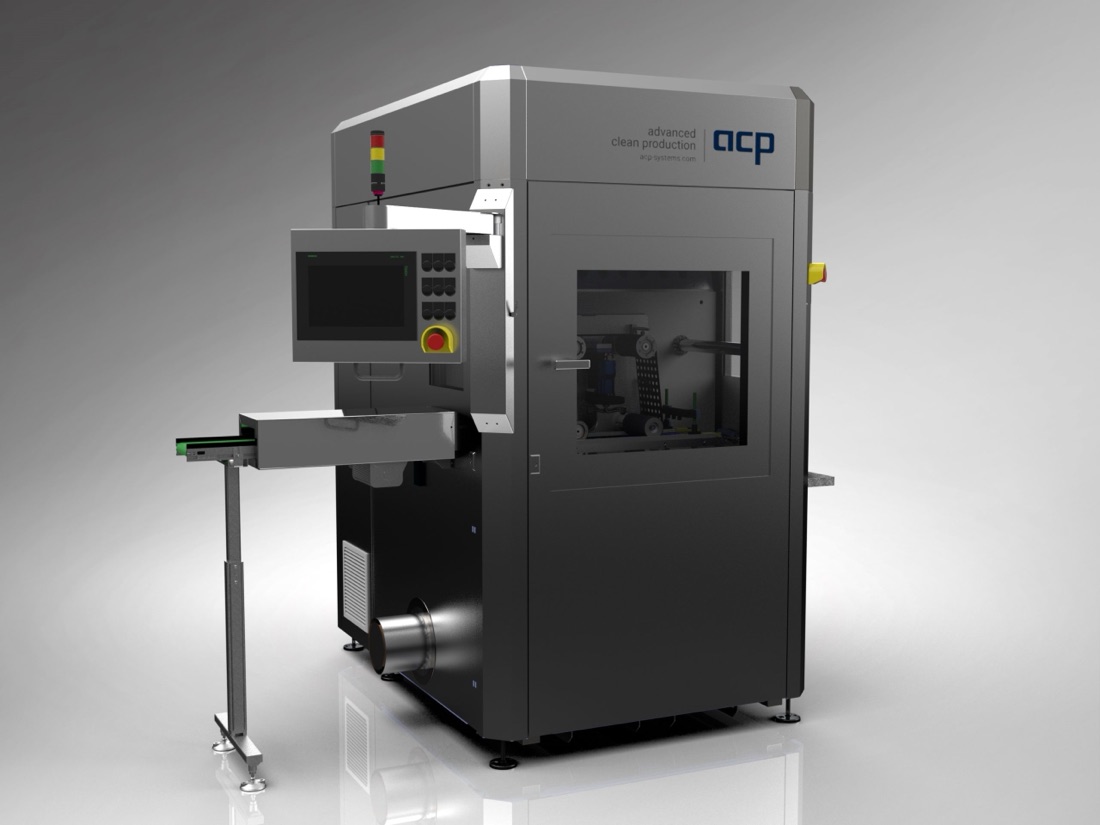
TeSe relies on the systems of its technology partner ACP Systems AG. quattroClean works with the classic, fine CO₂ snow jet, ideal for sensitive surfaces and gentle, selective cleaning. PowerSnow additionally compacts the snow into solid particles of around 1 mm³: they strike with significantly higher impact, positioning the process between fine CO₂ snow blasting and the more aggressive CO₂ dry-ice blasting, for more stubborn contamination, without giving up residue-free sublimation.
Advantages
- Dry cleaning process: no rinsing, no drying
- The blasting medium sublimates completely; no medium residue remains on the part
- No solvents and no rinsing water: spent-bath disposal and wastewater treatment are eliminated, making the process a resource-efficient alternative to wet-chemical cleaning
- Suitable for sensitive surfaces; selective, targeted cleaning of individual functional areas is possible
- Can be integrated inline, directly into the production line
- Following the principle of “as clean as necessary”: the process is designed for the cleanliness actually required, no more
Typical applications
- Removal of particulate and filmic contamination (such as dust or manufacturing residues) before subsequent steps such as bonding, painting or coating
- Cleaning of small and precision parts, for example in plastics processing and medical technology
- Selective cleaning of functional surfaces where full cleaning of the part is not required
- Micro-deburring: targeted removal of the finest burrs on precision parts, the embrittling cold and the impact of the snow crystals ablate micro-burrs
- Dry inline cleaning directly in the production line
Test the process at TeSe
We determine on your actual parts whether CO₂ snow blasting is the right process for your components and contamination: 1–2 hours of testing free of charge. In-depth feasibility studies: CHF 1’200 per day, 50% creditable against a machine purchase.
Before / after
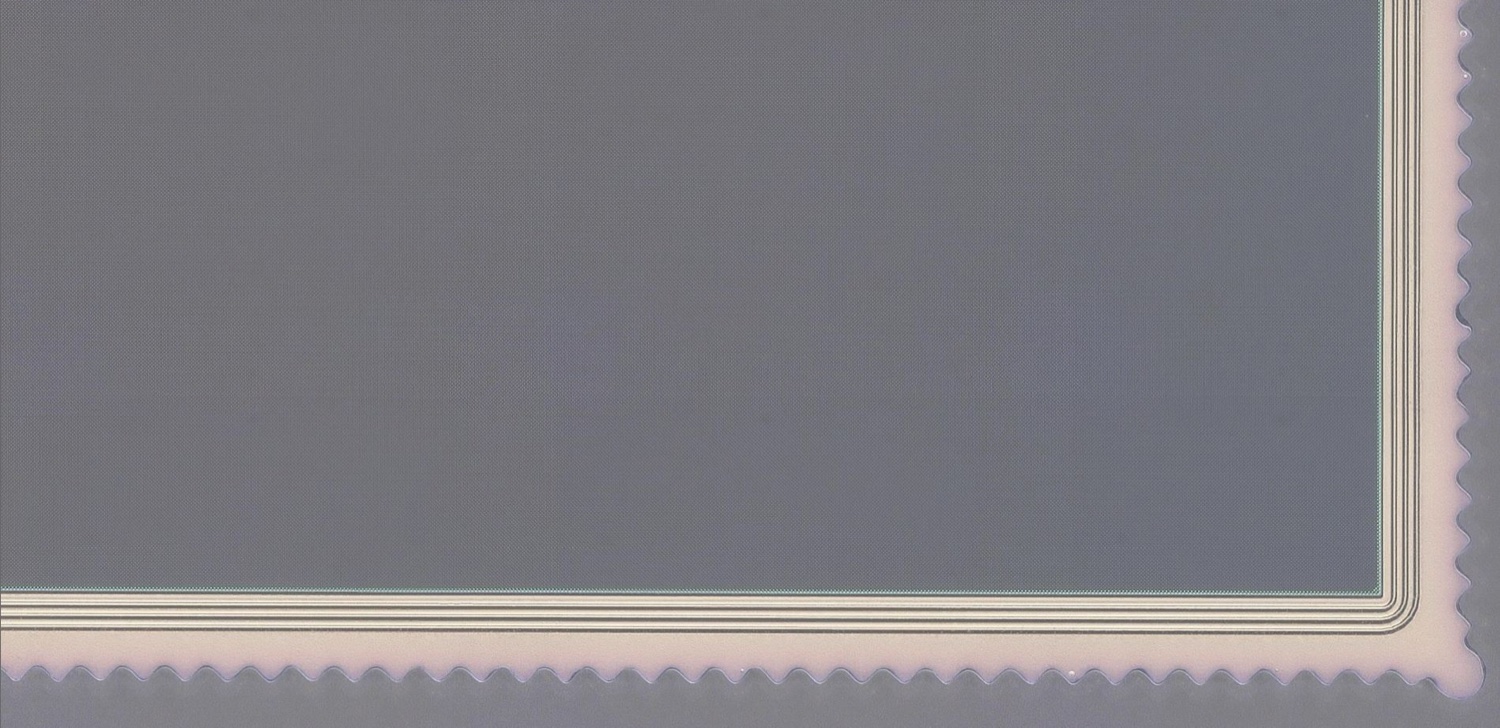
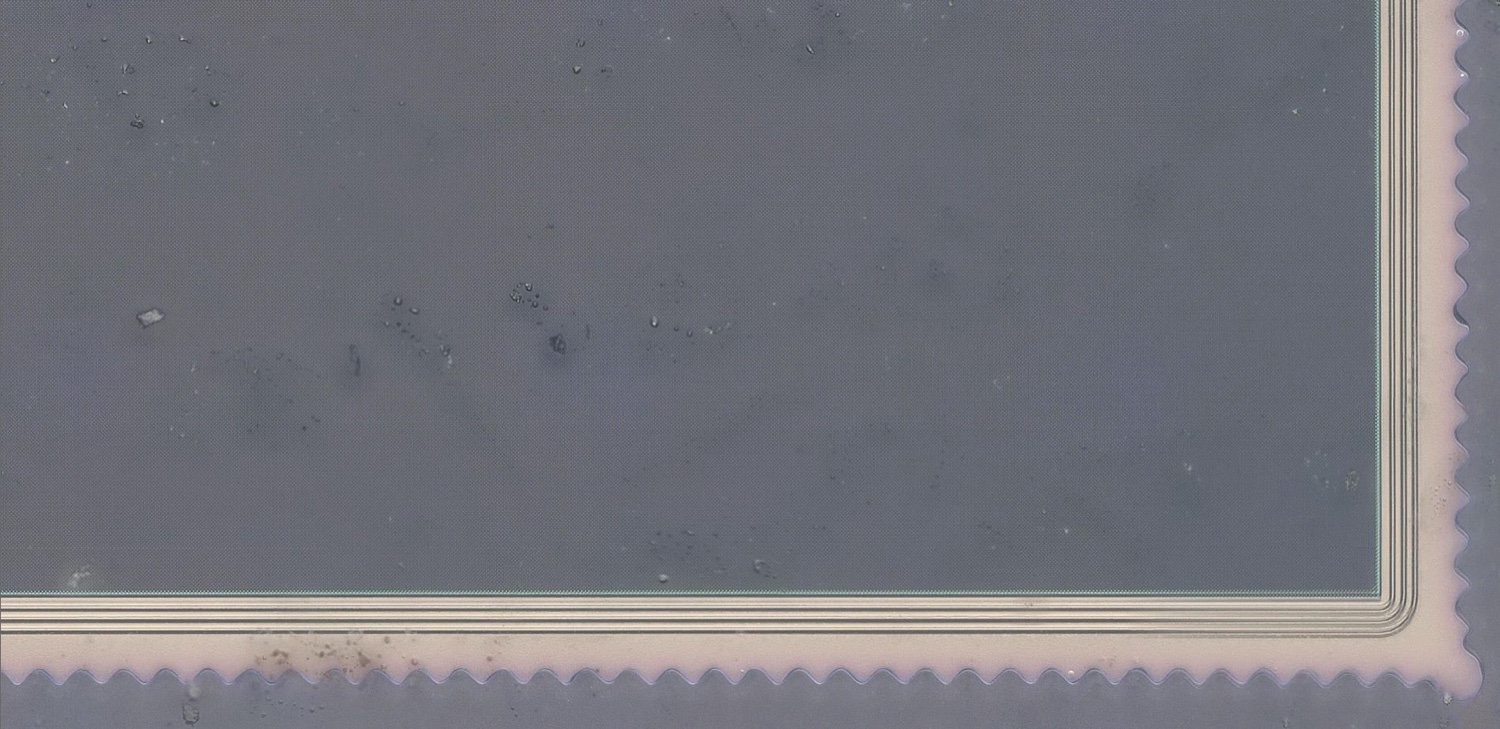
Move your mouse over the images (or swipe): on the left the contaminated surface, on the right after CO₂ snow blasting. Examples from various industries (image source: ACP Systems).
 Before After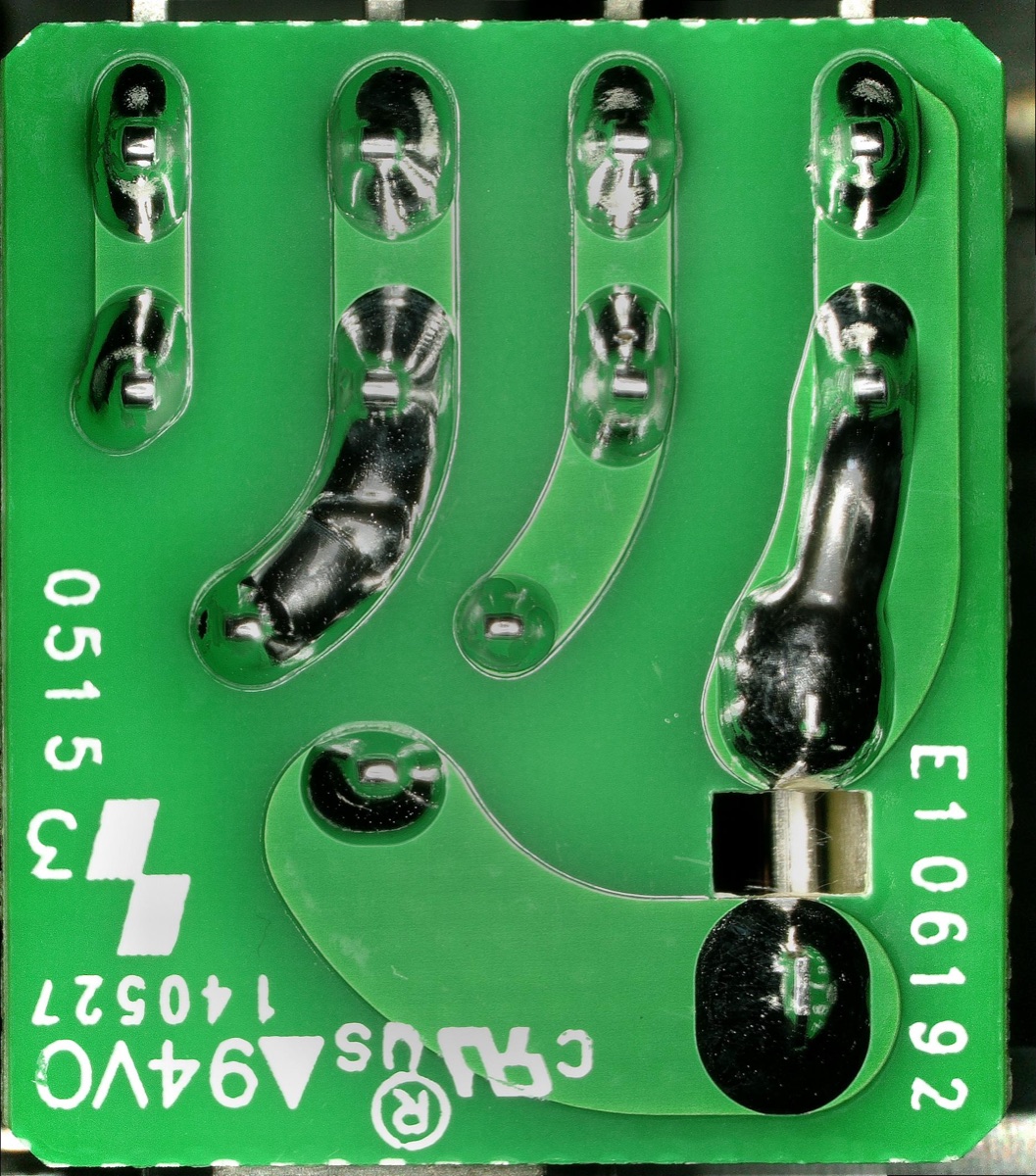
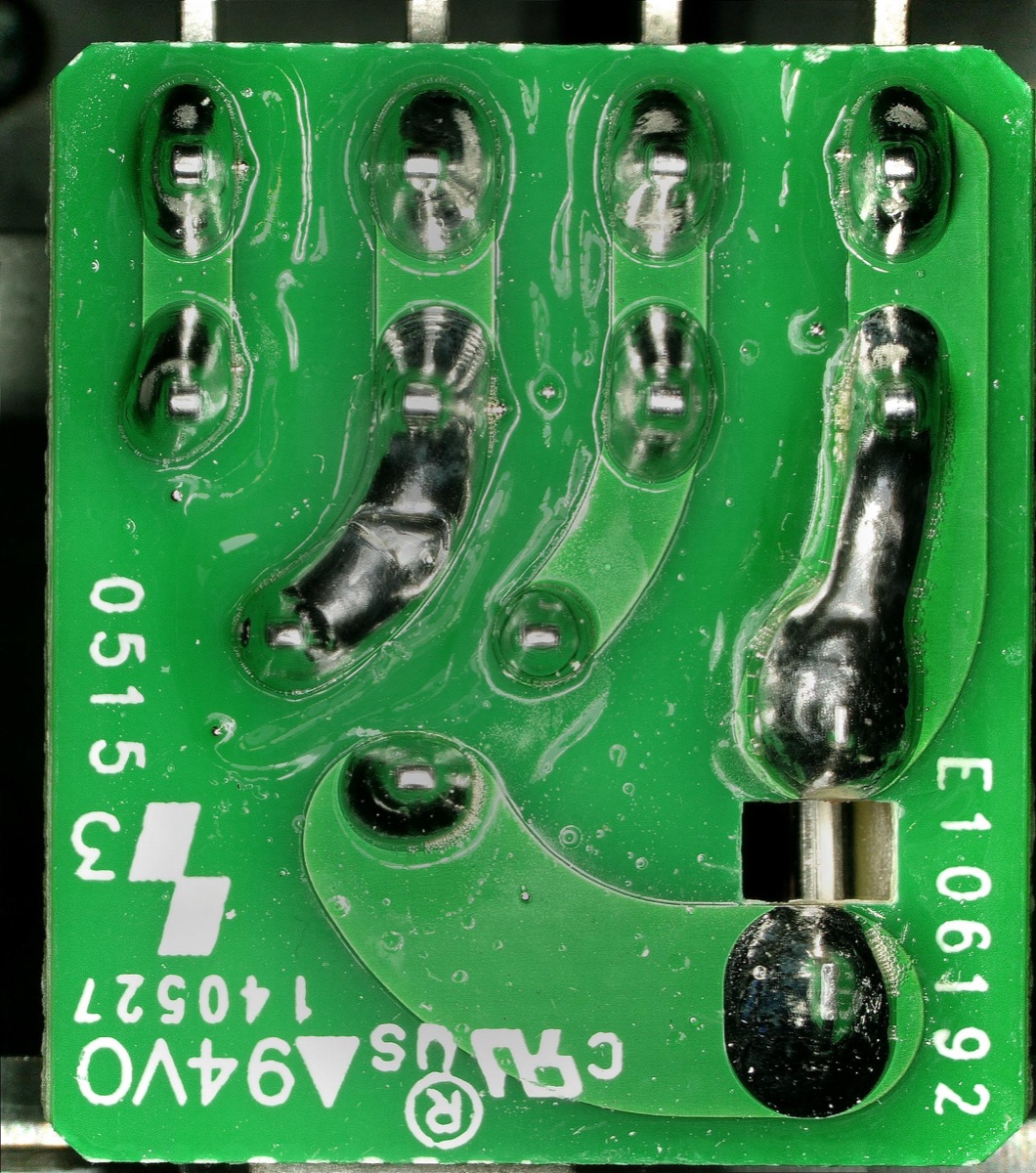 Before After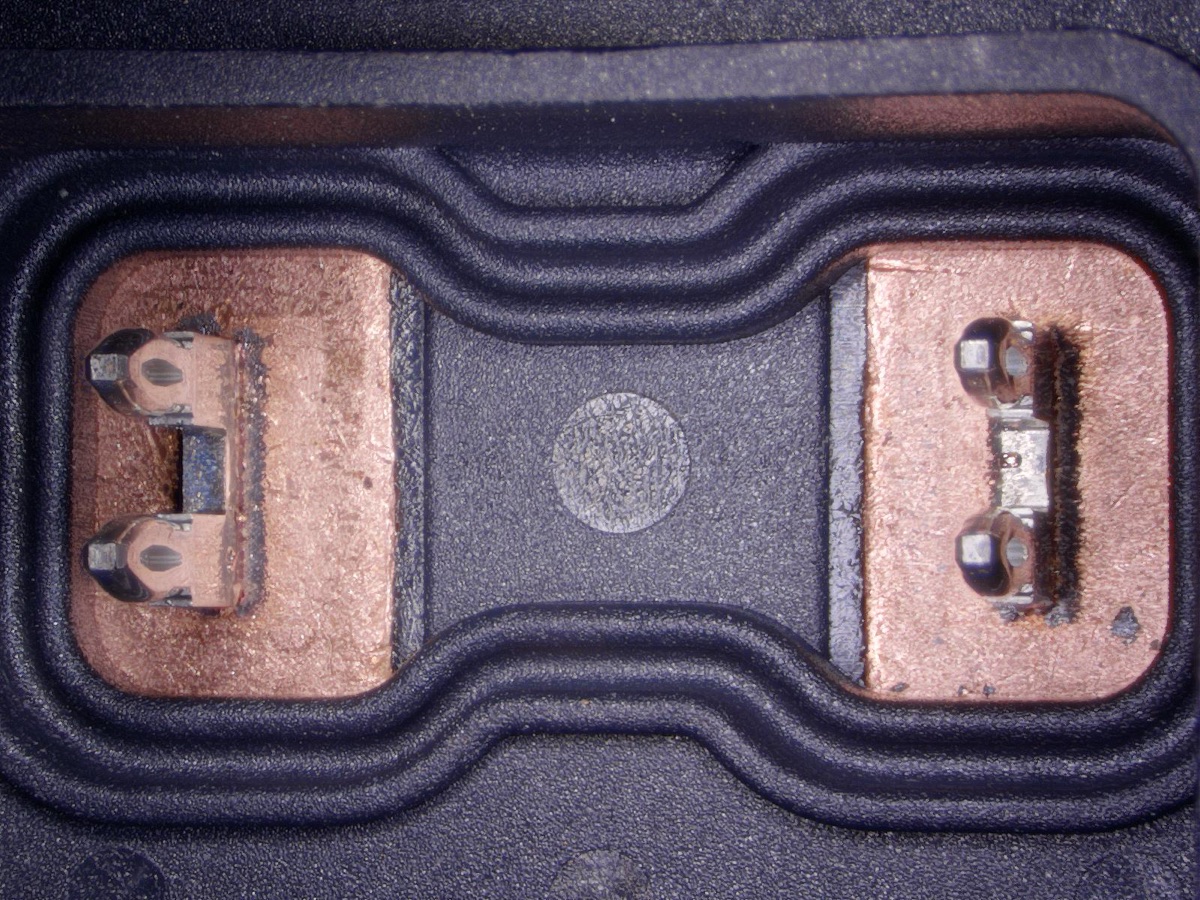
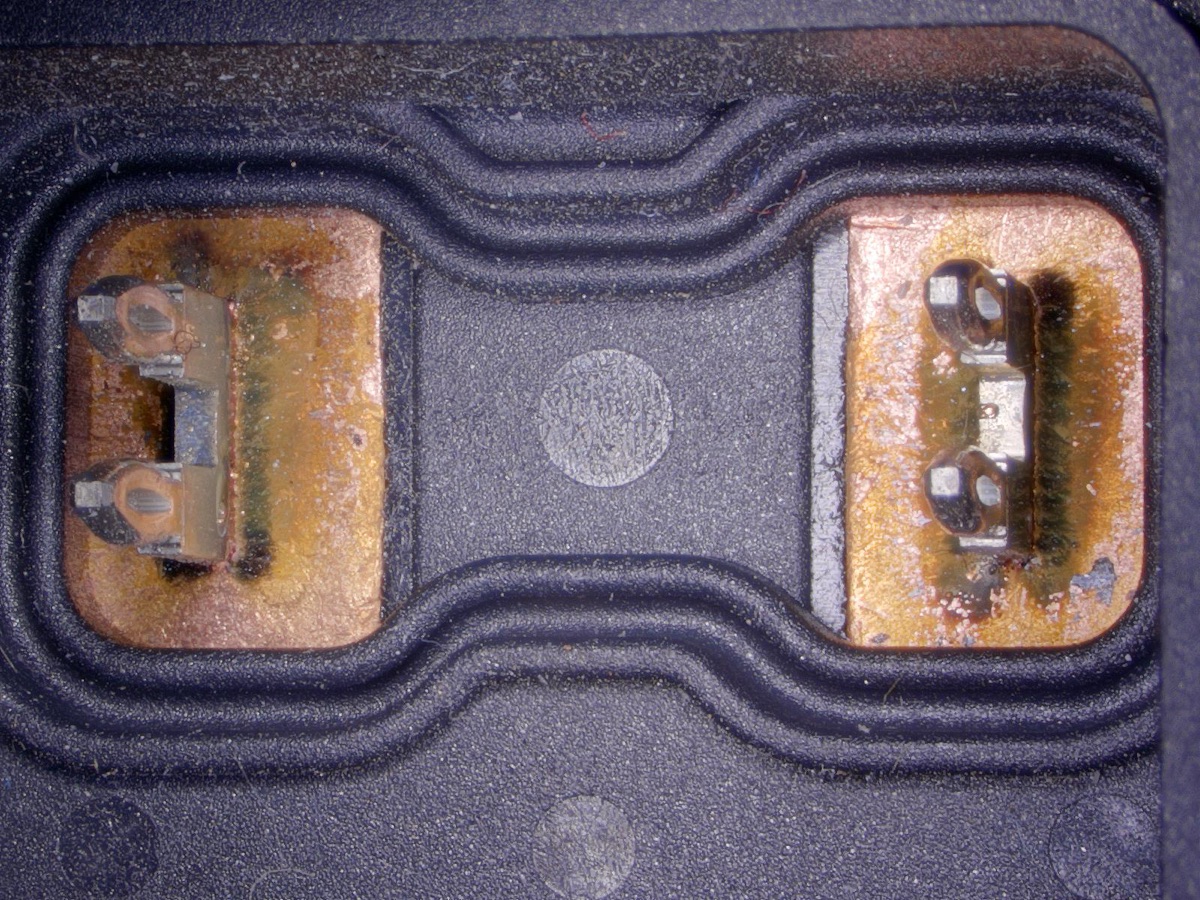 Before After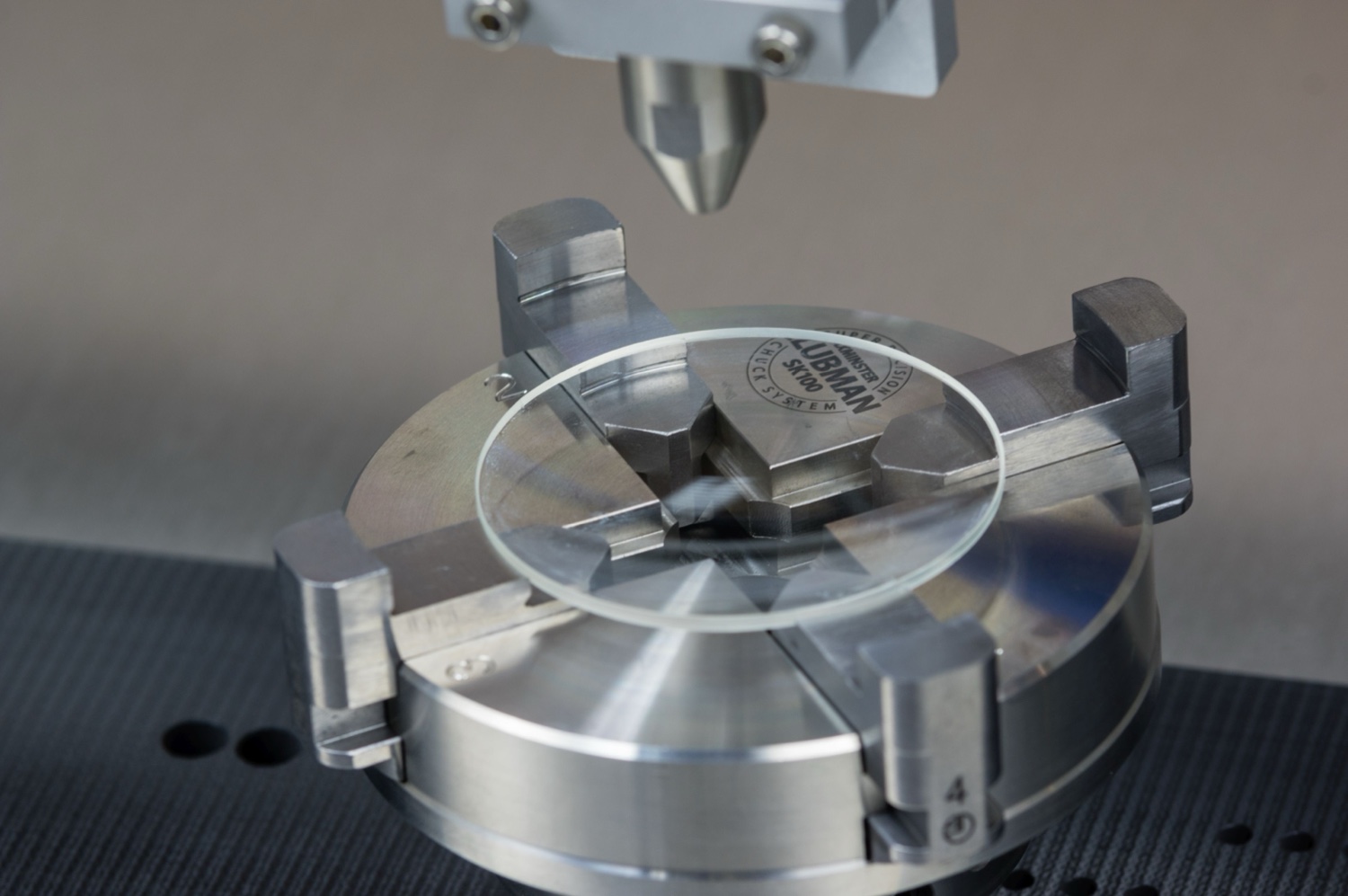
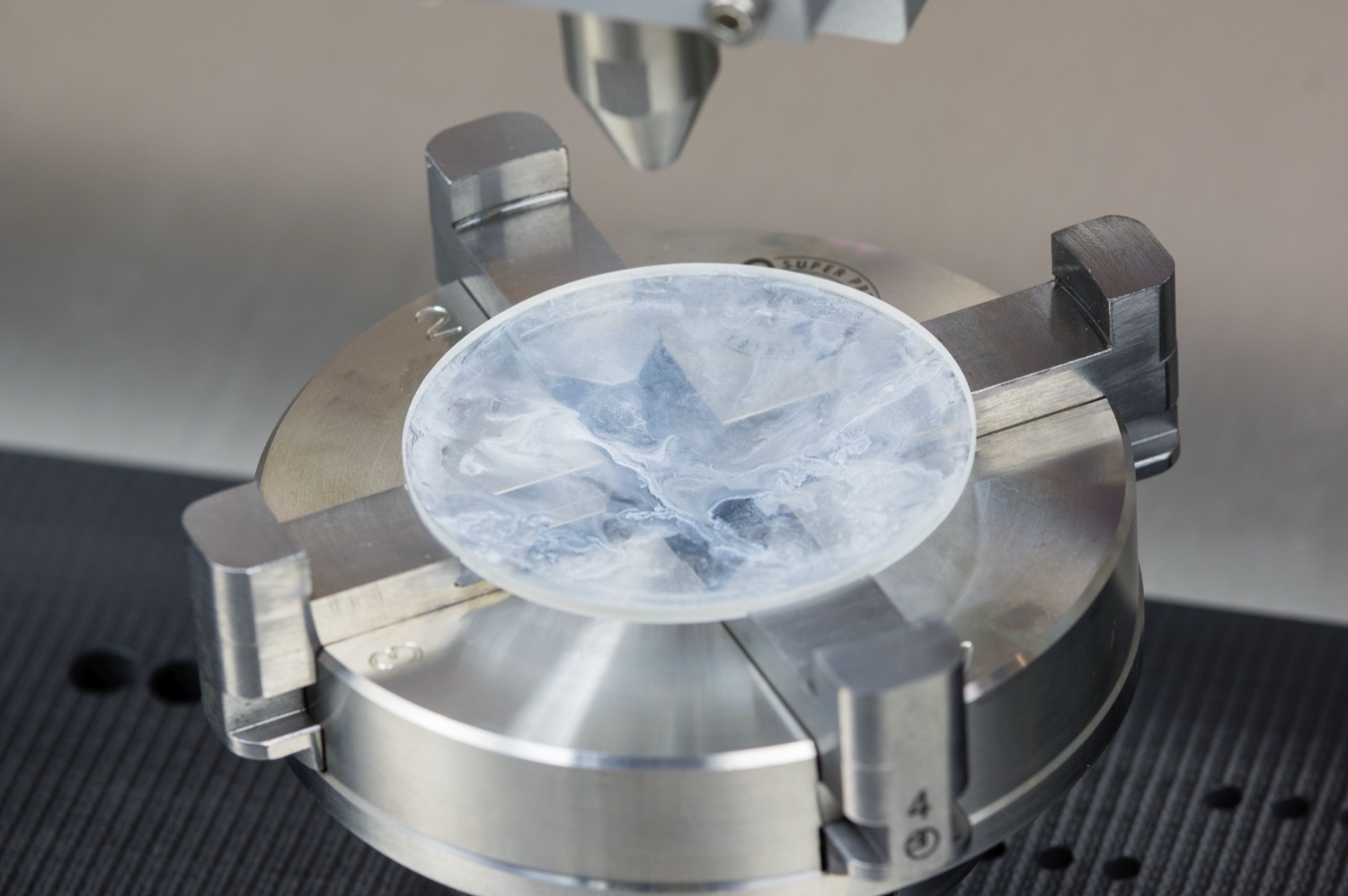 Before After
 Documents & videos for this process
Datasheets & brochures
- PowerSnow · BrochureEN
- JetWorker · DatasheetDEEN
- JetWorker High Purity · DatasheetEN
- JetStation · DatasheetDEEN
- JetStation High Purity · DatasheetEN
- JetModule · DatasheetDEEN
- JetModule High Purity · DatasheetEN
- JetCell · DatasheetDEEN
- JetCell High Purity · DatasheetEN
- High Purity Cleaning · BrochureEN
- ACP Systems AG · CertificateDE
- quattroClean CO₂ (Linde) · CertificateEN
Videos
Technology Partner · ACP Systems AG