

Process and industry
Every industry places its own demands on cleanliness, surfaces and documentation. TeSe therefore approaches cleaning and pre-treatment tasks along two axes: the process, what works technically, and the industry, which requirements apply. From six core technologies, this yields a technology-neutral recommendation that fits the part and its environment.
Target markets
- Watchmaking and luxury goods: very small parts and visible surfaces call for gentle cleaning without affecting their appearance.
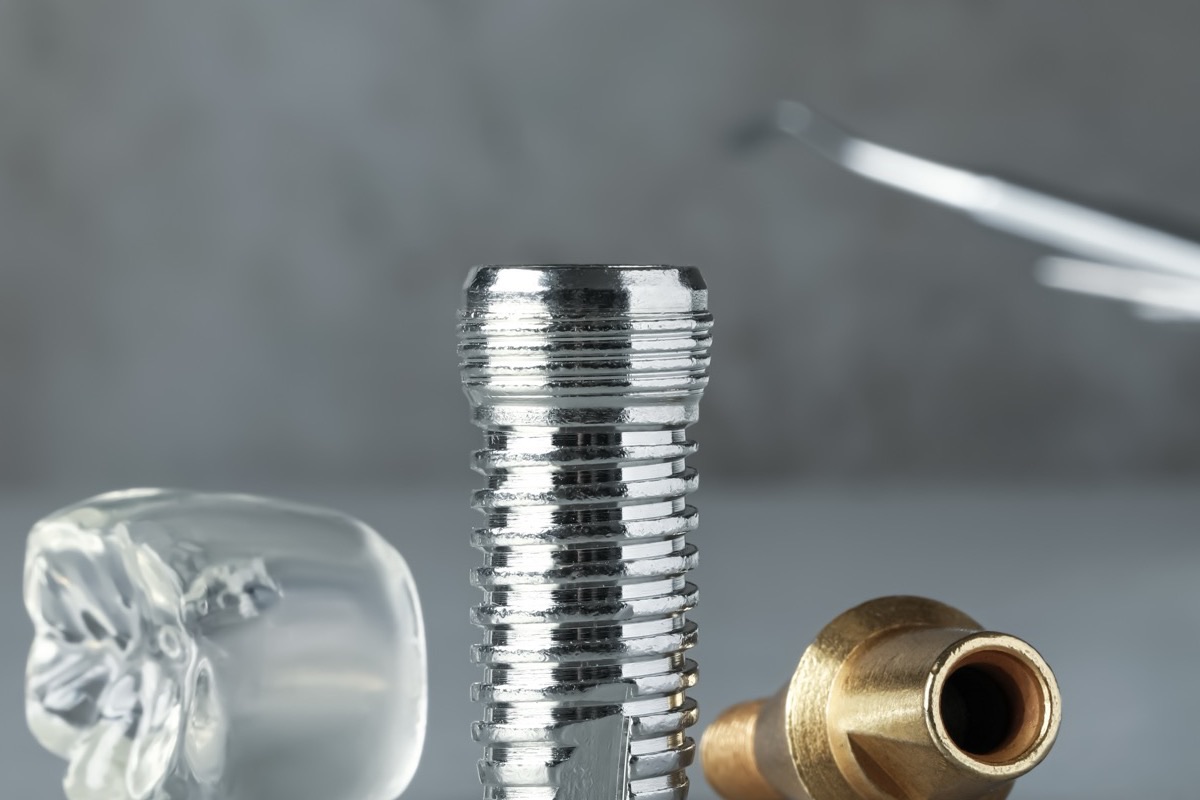
- Medical technology: cleaning is a documented process step within a regulated manufacturing environment.
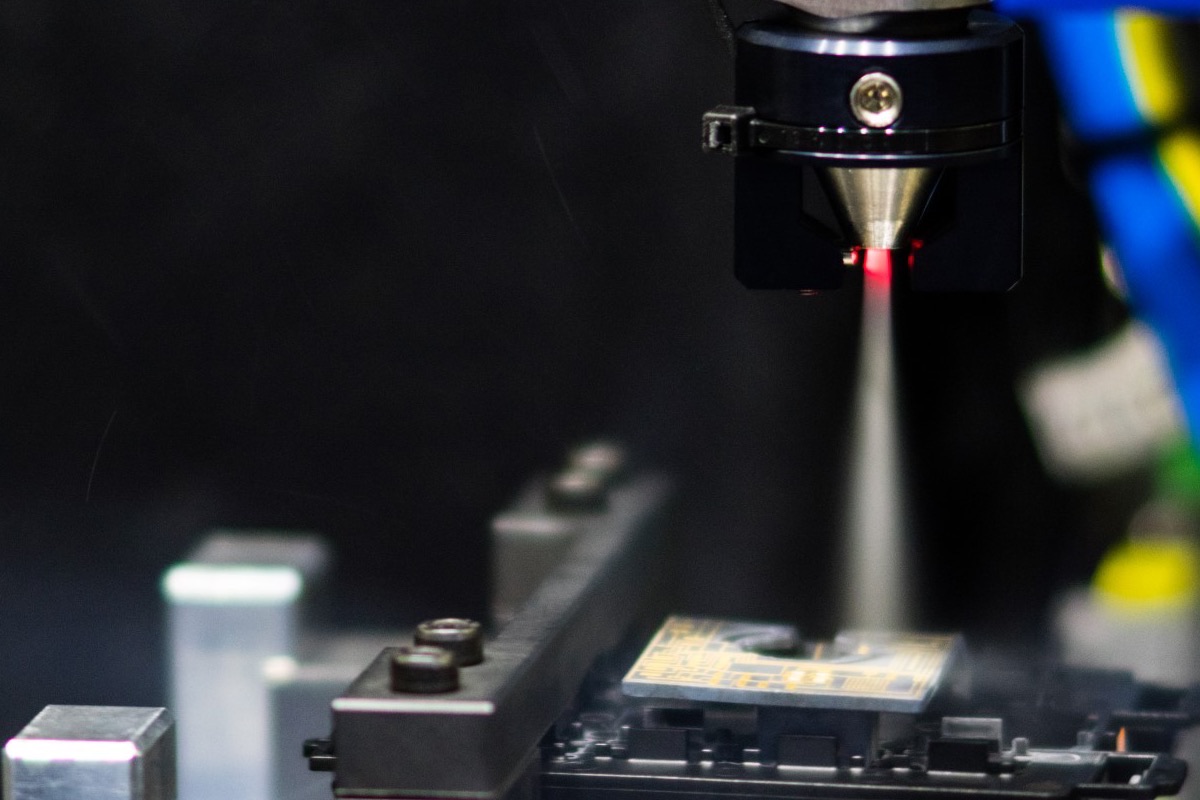
- Electronics: particulate and filmic contamination affects downstream processes such as bonding, coating or potting.
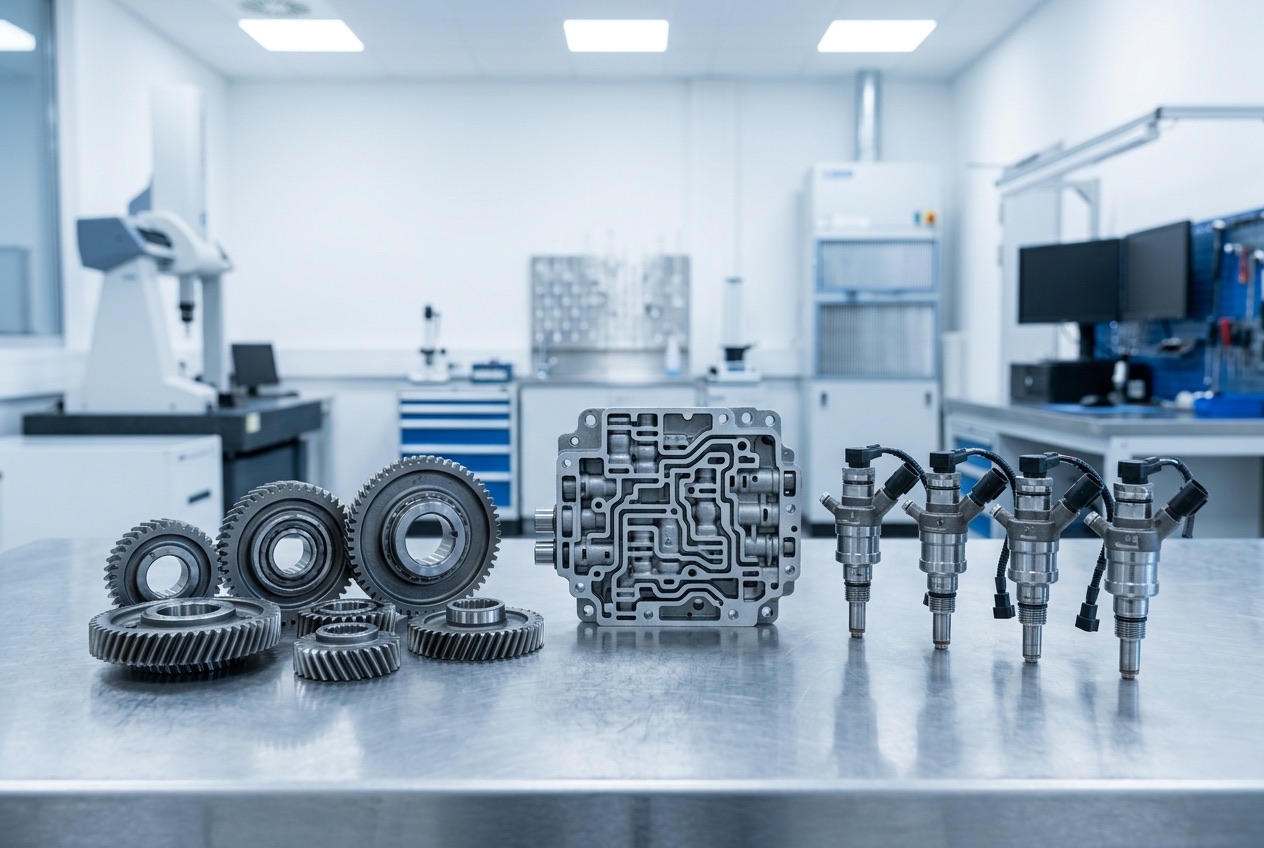
- Automotive: component cleanliness is an integral part of quality requirements along the supply chain.
- Stamped and deep-drawn parts, after forming, drawing greases, oils and particles must be removed reliably.
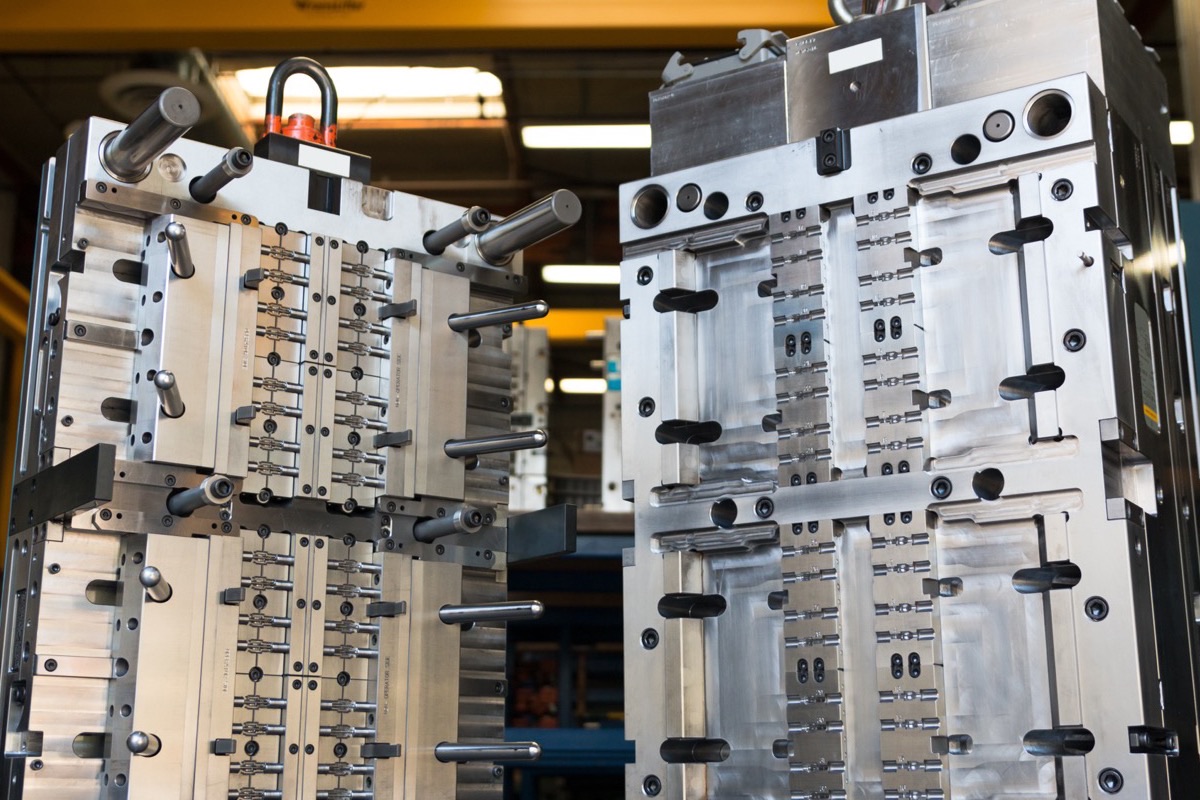
- Plastics processing: surface pre-treatment and activation determine adhesion in bonding, printing and painting.
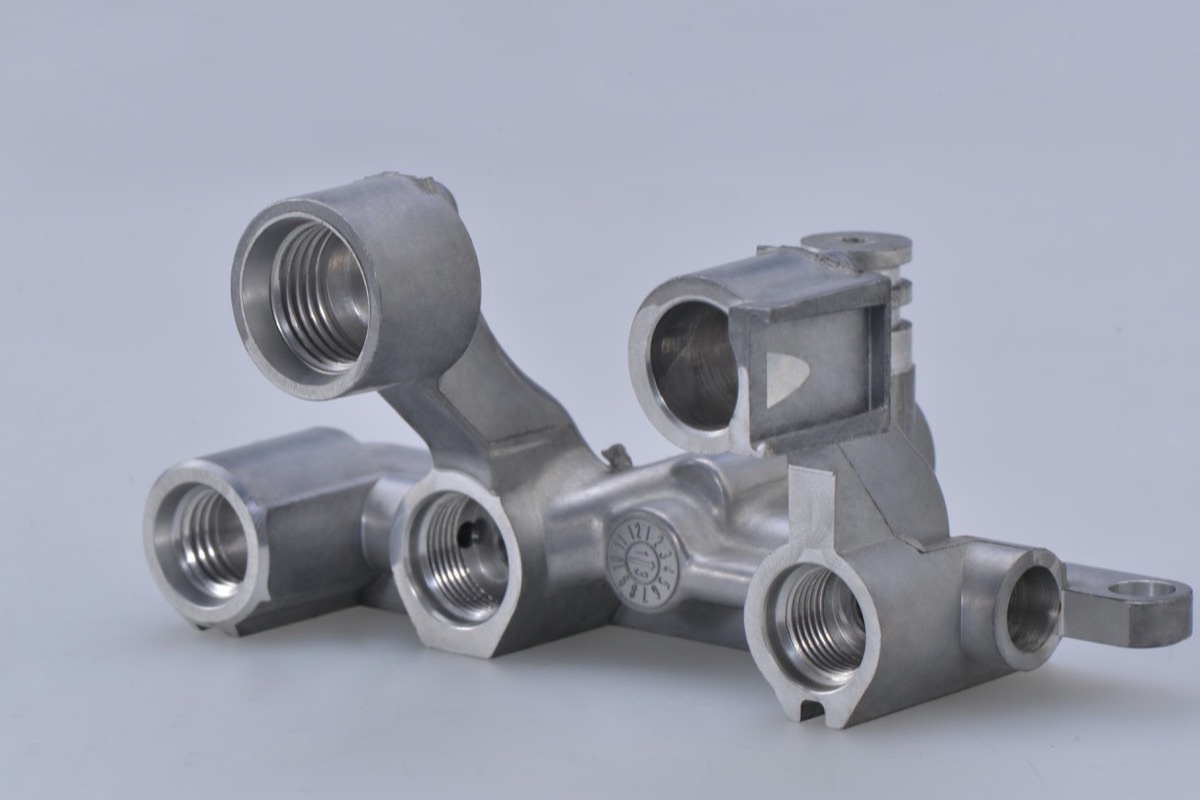
- Foundries: castings carry release agents, burrs and residues that must be removed before further processing.
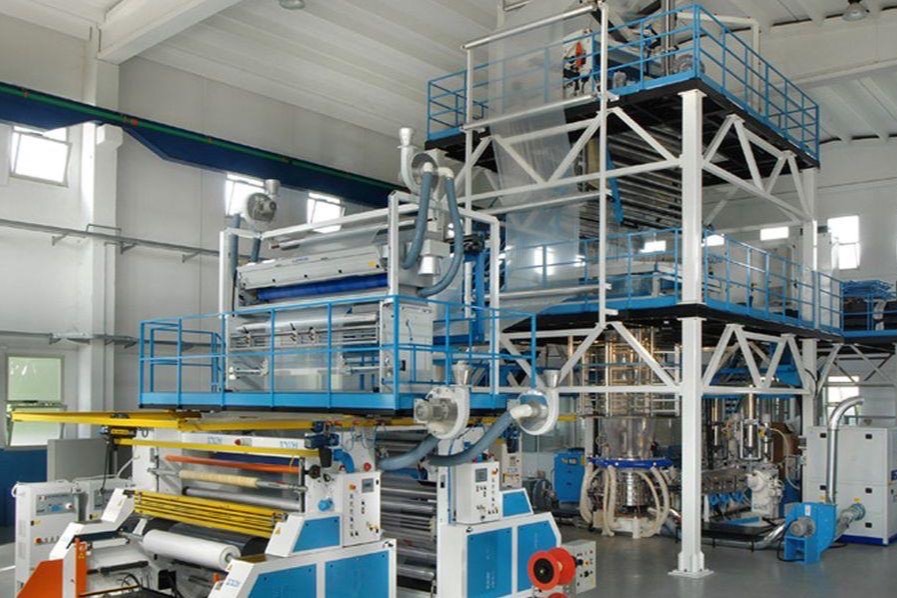
- Packaging: clean, pre-treated surfaces are a prerequisite for printing and sealing; controlling electrostatic charges also plays a role.
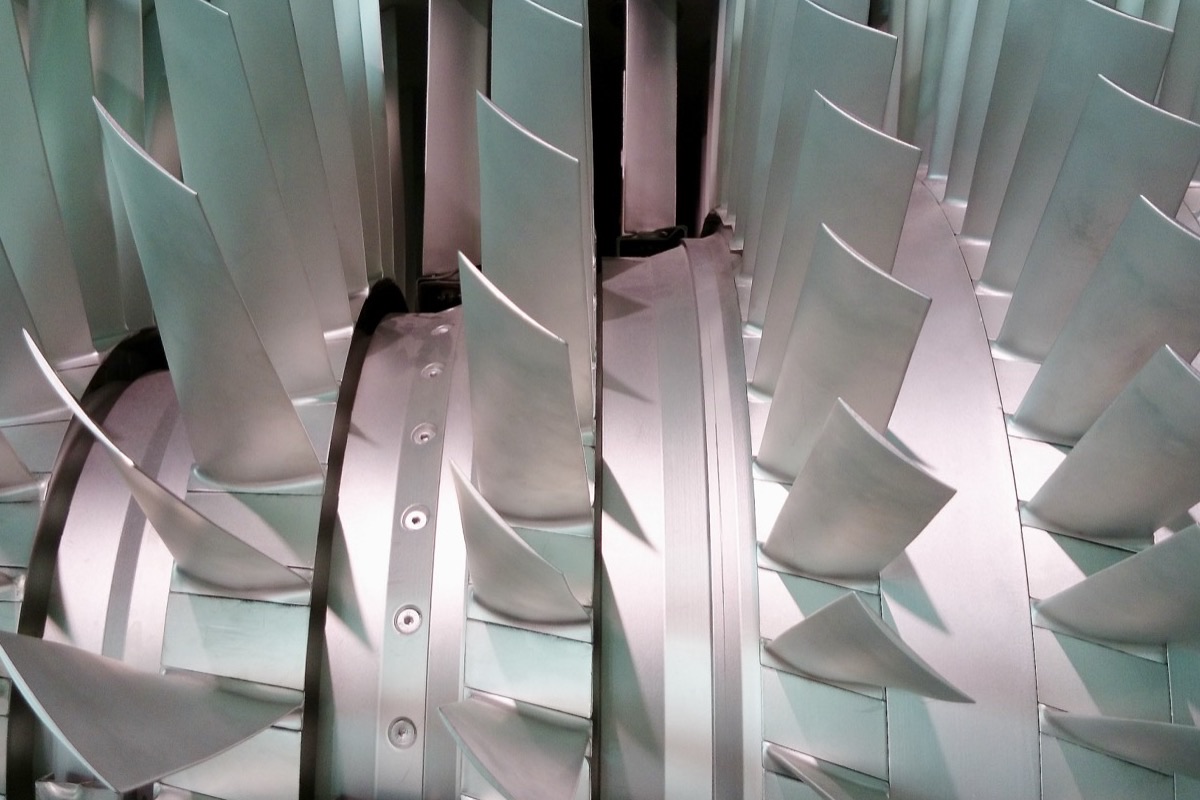
- Aerospace: demanding materials and complete traceability characterise the cleaning processes.
- Precision manufacturing: tightly toleranced functional surfaces require defined, reproducible cleanliness.
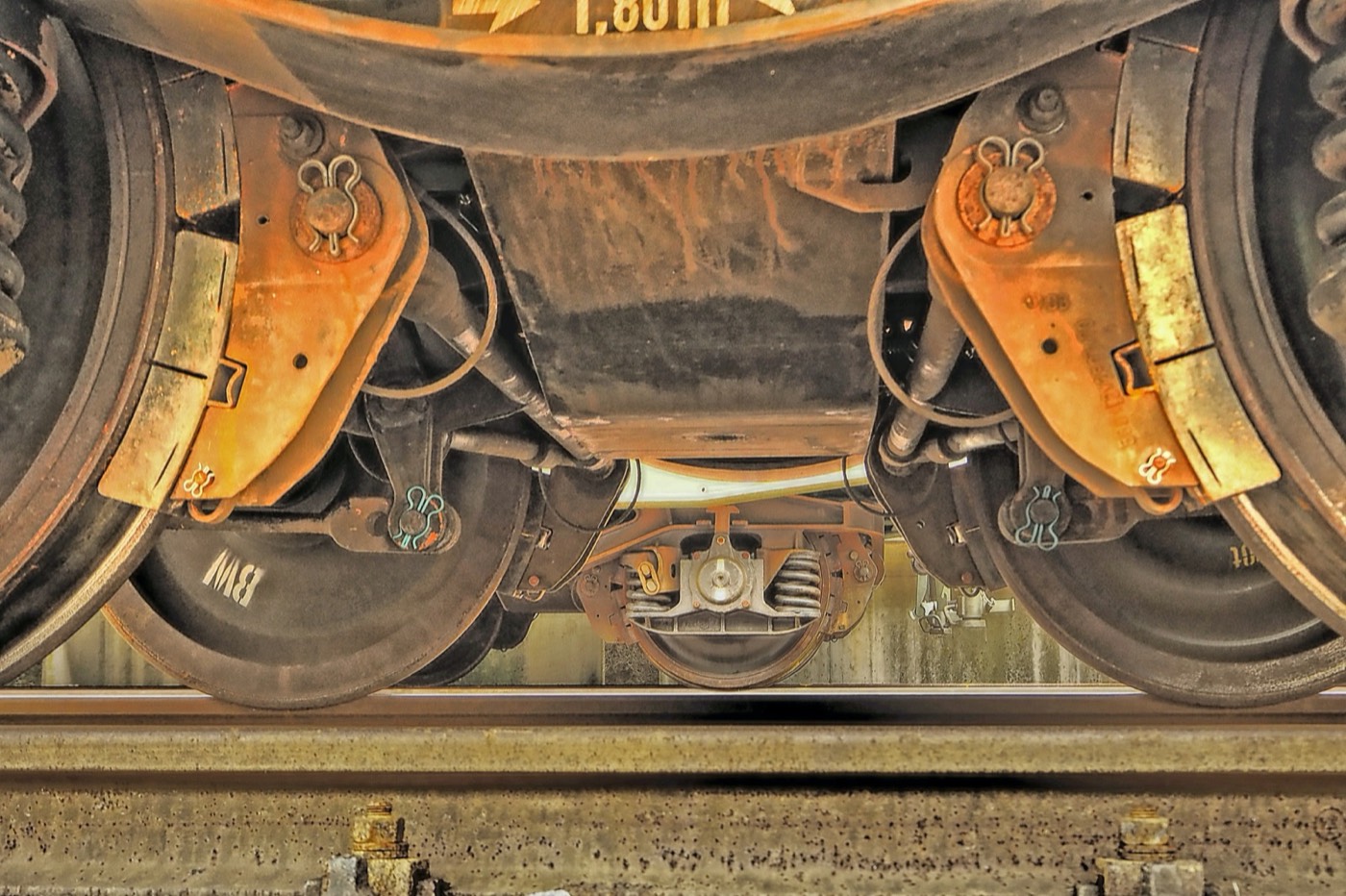
- Rail Vehicle Technology: during the overhaul of rail vehicles, grease-laden bearings and operational soiling must be reliably removed.
Testing a process at TeSe
A trial shows whether a process meets your industry’s requirements on your actual part: 1–2 hours of tests free of charge. In-depth feasibility studies: CHF 1’200 per day, 50% creditable against a machine purchase.