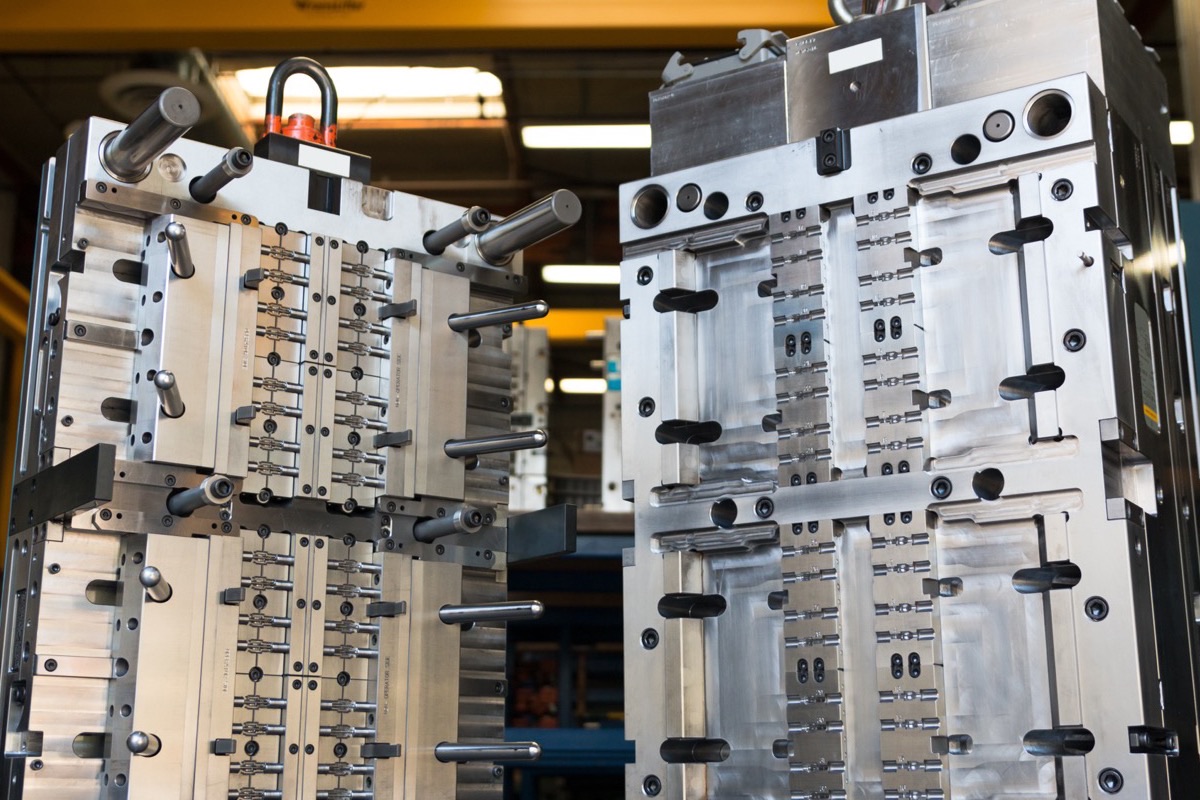
Requirements in plastics processing
In plastics processing, surface pre-treatment and activation determine adhesion in bonding, printing and painting. Low surface energy and electrostatic charging are the typical hurdles.
The tasks range from small to large series, from the sensitive single part to web/roll material processed in cycle. Alongside activation and fine cleaning, this also includes the gentle aqueous cleaning of plastic containers.
Typical parts and materials
From this industry, we mainly treat:
- Parts: injection-moulded parts, films and web/roll material, technical plastic parts, housings as well as medical plastic parts
- Materials: common thermoplastics such as PP, PE, POM, PA, PC, ABS, PEEK and PTFE, plus elastomers and TPE, rubbers as well as material combinations
- Topics & contaminants: release agents and demoulding aids, migrating substances, dust and particles, but above all low surface energy and electrostatic charging
Suitable processes
Which process fits best depends on the part, the contamination and the batch size: we advise on a technology-neutral basis. For this industry, the following are particularly relevant:
- Plasma & corona pre-treatment: surface activation for better adhesion (plasma and corona from Ferben; corona also for films and web/roll material)
- CO₂ snow blasting: dry, gentle cleaning of sensitive plastic parts (CO₂ snow and PowerSnow from ACP)
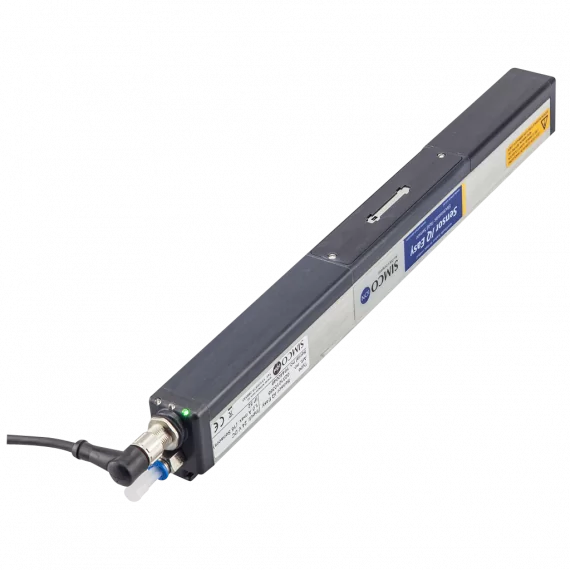
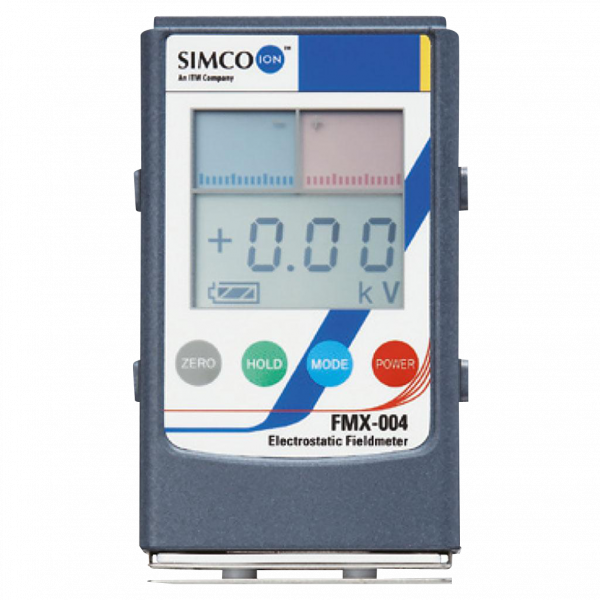
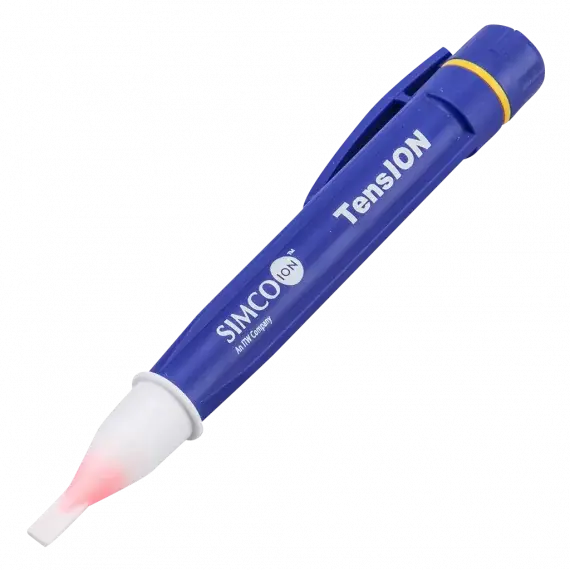
- Electrostatics & ionisation: discharging and cleaning of electrostatically charged surfaces (Simco-Ion, also for In-Mould-Labeling)
- Wet-chemical cleaning: gentle aqueous cleaning, including of plastic containers (large system from Karl Roll GmbH with combined warm-air vacuum drying)
Downstream processes and surface functionalisation
Surface treatment is typically followed by bonding, printing, painting, coating, laminating, welding and assembly. Each of these steps requires a sufficiently activated, defined and prepared surface.
Beyond mere activation, protective layers can be applied using plasma and suitable precursors, for example against UV and weathering influences to slow ageing, or hydrophobic coatings as protection.
Application examples
Typical applications from plastics processing at TeSe:
- After the film application on injection-moulded parts – such as oven fascia panels – CO₂ snow removes the film overhang, so that a clean, undamaged edge remains visible.
- Moulding edges can be removed from parts with PowerSnow (ACP), for example on injection-moulded screws that are subsequently coated.
- For In-Mould-Labeling, electrostatics from Simco-Ion ensures the reliable positioning of the label in the mould.
- Before coating and bonding processes, plasma or corona (Ferben) activates the surface for better adhesion.
- A luxury-goods manufacturer washes its internal containers in large quantities in a large aqueous system from Karl Roll GmbH, with combined warm-air vacuum drying, so that the parts, especially thermoplastics, do not become too hot and remain dimensionally stable. Decisive here are cleanliness, freedom from particles, freedom from electrostatic charging and 100% dryness.
Measurement and quality assurance
For plastics, TeSe inspects the surface entirely in-house: contact angle measurement (surface tension), checks under the high-resolution microscope as well as test inks for a quick assessment of wettability. This reliably confirms the degree of activation before the downstream process.
Frequently asked questions
Which plastic parts does TeSe treat? Injection-moulded parts, films and web/roll material, technical plastic parts, housings and medical plastic parts: made of thermoplastics, elastomers/TPE, rubbers as well as material combinations.
Why is pre-treatment necessary? Many plastics have a low surface energy. Plasma or corona activates the surface so that bonding, printing and painting adhere reliably.
How is the surface inspected? Via contact angle measurement, microscope and test inks: all in-house at TeSe.
Can protective layers be applied? Yes. Via plasma with precursors, for example for UV and weathering protection or hydrophobic coatings.
Does TeSe also clean plastic containers? Yes. For the gentle cleaning of large quantities of containers, a large aqueous system from Karl Roll GmbH with combined warm-air vacuum drying is available, for dimensionally stable, particle-free, electrostatic-charge-free and 100% dry parts.
Test the process at TeSe
Whether a process meets your industry’s requirements on your actual part is shown by a trial: 1–2 hours of testing free of charge. In-depth feasibility studies: CHF 1’200 per day, 50% creditable against a machine purchase.
Documents & videos
Datasheets & brochures
Wet-chemical cleaning (aqueous) – Karl Roll
Plasma & corona pre-treatment – Ferben
- Ferrarini & Benelli · BrochureEN
CO₂ snow & PowerSnow – ACP
- PowerSnow · BrochureEN
- JetWorker · DatasheetDEEN
- JetWorker High Purity · DatasheetEN
- JetStation · DatasheetDEEN
- JetStation High Purity · DatasheetEN
- JetModule · DatasheetDEEN
- JetModule High Purity · DatasheetEN
- JetCell · DatasheetDEEN
- JetCell High Purity · DatasheetEN
- High Purity Cleaning · BrochureEN
- ACP Systems AG · CertificateDE
- quattroClean CO₂ (Linde) · CertificateEN
Electrostatics / ionisation – Simco-Ion
Static discharge (ionization) 16 datasheets
Ionizing bars
Static charging 8 datasheets
Measurement & control 4 datasheets
Videos
Plasma & corona pre-treatment
CO₂ snow blasting
Electrostatics / ionisation
Process chemistry