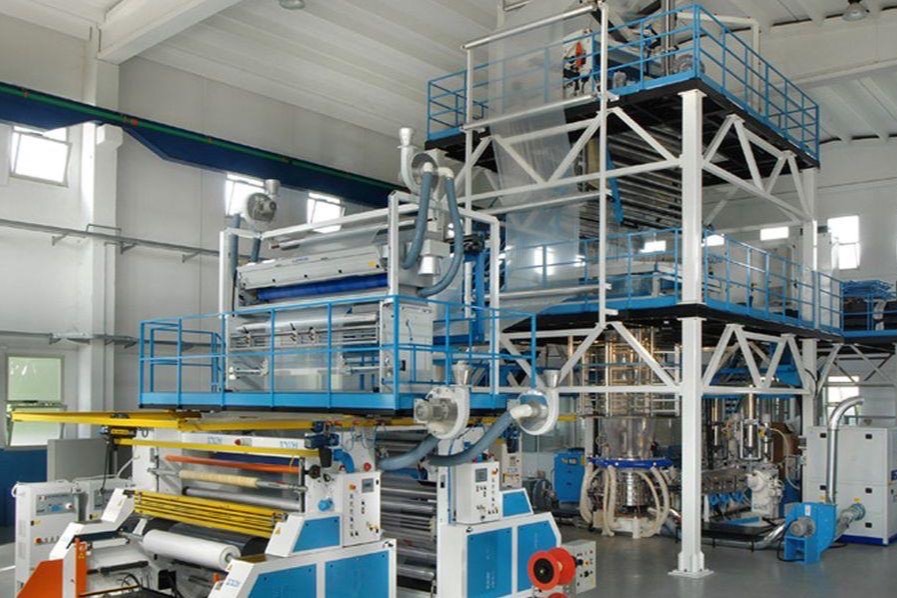
Requirements in packaging
In packaging, clean, pre-treated surfaces are a prerequisite for printing and sealing. Controlling electrostatic charges also plays a role: particularly on plastic films and web material, whose surface tension is naturally low.
The tasks range from individual containers to roll material in the roll process and in large-scale series.
Typical products and materials
In this industry we mainly treat:
- Products: films, web/roll material, containers, closures and labels
- Materials: PE, PP and PET films, composite materials, aluminium (composite) as well as paper and cardboard
- Topics & contaminants: low surface tension, electrostatic charging, dust and particles, release agents and migration substances
Suitable processes
Which process fits best depends on the part, the contamination and the batch size: we advise on a technology-neutral basis. For this industry, the following are particularly relevant:
- Plasma & corona pre-treatment: corona and atmospheric plasma activation for printing on films and web material (from Ferben)
- Electrostatics & ionisation: discharging, cleaning and targeted use of electrostatic charging (Simco-Ion)
Using electrostatics deliberately
In packaging, electrostatics is both a disruptive factor and a tool. TeSe uses it deliberately:
- to measure perforations
- to tack films together for automated transport, for example up to lamination or thermal welding
This turns the otherwise unwanted charge into a process-reliable helper.
Downstream processes
In the packaging industry, pre-treatment is typically followed by printing, lamination, sealing, bonding and coating. Each of these steps requires a sufficiently activated, clean surface: which is why the cleanliness and activation target is set according to the next process step.
Measurement and quality assurance
TeSe inspects the surface in-house: surface tension via contact angle measurement and test inks, plus checks under the high-resolution microscope. Electrostatic charge (ESD) can also be measured, important wherever charging is to be used deliberately or safely avoided.
Application examples
Typical applications from the packaging industry at TeSe:
- A manufacturer of packaging machines for medical technology uses atmospheric plasma from TeSe before printing is applied inline directly onto the packaging.
- A large-plant manufacturer uses Simco-Ion bars for process reliability, so that electrostatic charging poses no risks.
Frequently asked questions
Which packaging products does TeSe treat? Films, web/roll material, containers, closures and labels: made of PE, PP and PET films, composite materials, aluminium (composite) as well as paper and cardboard.
Why is corona or plasma pre-treatment necessary? Films and web material have a low surface tension. Activation ensures adhesion during printing, sealing and lamination.
How does TeSe use electrostatics deliberately? Beyond discharging (Simco-Ion), also actively: to measure perforations and to tack films together for automated transport.
How is the surface inspected? Via contact angle measurement, test inks and microscope, plus ESD measurement: all in-house at TeSe.
Test the process at TeSe
Whether a process meets your industry’s requirements on your actual part is shown by a trial: 1–2 hours of testing free of charge. In-depth feasibility studies: CHF 1’200 per day, 50% creditable against a machine purchase.
Documents & videos
Datasheets & brochures
- Ferrarini & Benelli · BrochureEN
Electrostatics / ionisation – Simco-Ion
Static discharge (ionization) 16 datasheets
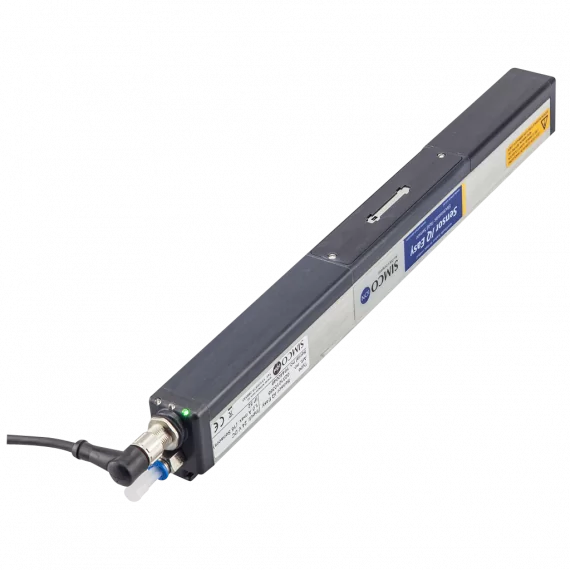
Ionizing bars
Static charging 8 datasheets
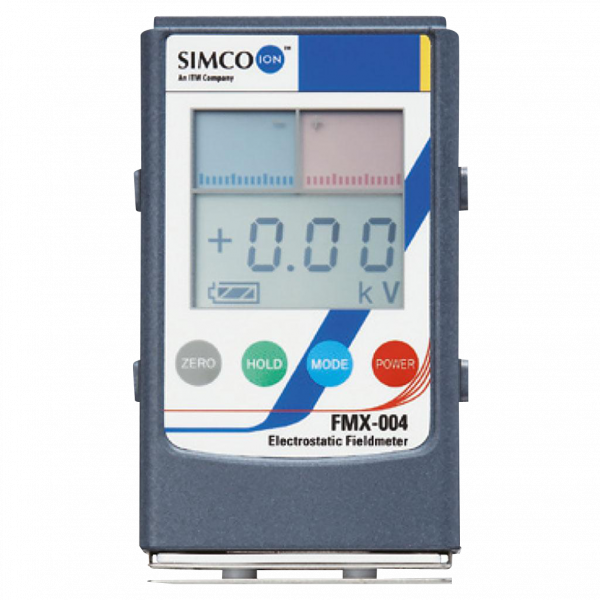
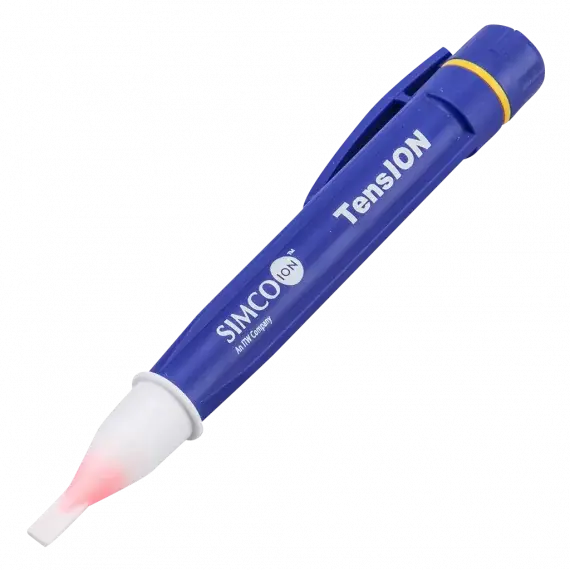
Measurement & control 4 datasheets
Videos
Plasma & corona pre-treatment
Electrostatics / ionisation